Osterley Park gardeners guide for period house gardens
If you are looking after a period property, the garden is never just "outside space". It is part of the house's character, the first impression, and often the hardest place to get right without stripping away what makes it special. This Osterley Park gardeners guide for period house gardens is here to help you balance authenticity, practicality, and the reality of modern maintenance. Whether you are restoring an old boundary, refreshing a formal border, or trying to tame a garden that has quietly drifted away from its original feel, the aim is the same: make it look settled, elegant, and lived-in rather than overworked.
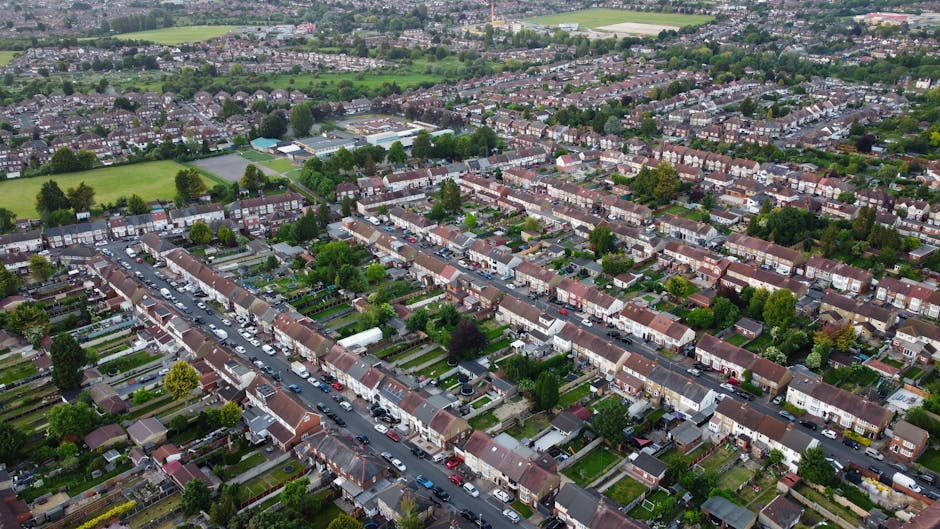
In Osterley Park and the surrounding west London area, period gardens often have mature trees, layered planting, older brickwork, long sightlines, and a few awkward corners that seem to collect everything from moss to forgotten pots. Truth be told, that is part of the charm. The trick is knowing what to keep, what to improve, and what to leave alone. This guide breaks the process down clearly so you can make better decisions, avoid common mistakes, and understand when it makes sense to call in professional help through our gardening services overview.
Expert summary: Period house gardens usually work best when planting, structure, and maintenance all support the age of the property. A thoughtful approach, rather than a dramatic makeover, nearly always gives the strongest result.
Table of Contents
- Why Osterley Park gardeners guide for period house gardens Matters
- How Osterley Park gardeners guide for period house gardens Works
- Key Benefits and Practical Advantages
- Who This Is For and When It Makes Sense
- Step-by-Step Guidance
- Expert Tips for Better Results
- Common Mistakes to Avoid
- Tools, Resources and Recommendations
- Law, Compliance, Standards, or Best Practice
- Options, Methods, or Comparison Table
- Case Study or Real-World Example
- Practical Checklist
- Conclusion
- Frequently Asked Questions
Why Osterley Park gardeners guide for period house gardens Matters
Period house gardens ask for a different mindset than a standard suburban plot. The buildings, pathways, and boundary features usually carry a sense of history, even if the garden itself has changed many times over the years. That means the gardening decisions you make can either strengthen the setting or quietly flatten it.
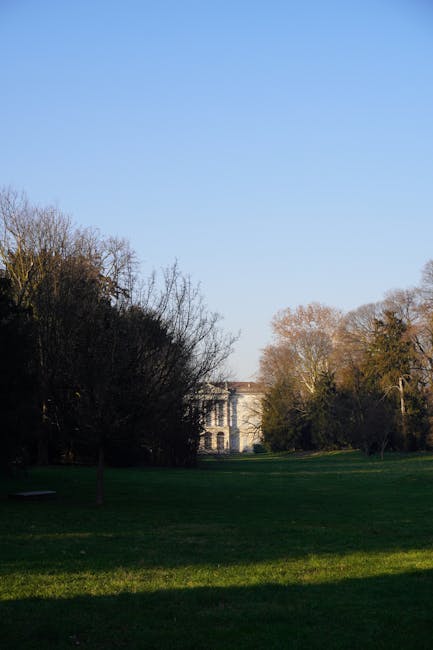
At Osterley Park, the context matters. Mature planting, formal geometry, old walls, and heritage-inspired proportions can all influence how a garden should be maintained. A tidy but anonymous border may be technically neat, but it can feel wrong beside a Georgian or Victorian house. Likewise, overly modern planting can jar if the rest of the site is restrained and classical. You do not always need "period features" in the decorative sense. You need rhythm, balance, and a planting palette that respects the building.
There is also a practical side. Older gardens often come with compacted soil, root competition from established trees, drainage quirks, and materials that weather differently from newer ones. If you ignore these realities, you end up with constant patch repairs. If you work with them, the garden starts to settle into itself. And yes, that often saves time and money later on.
One thing people underestimate is how much a well-tuned garden affects the whole house. A period property with messy edges can feel tired. The same property with clipped structure, layered planting, and healthy surfaces can look quietly impressive without shouting about it. That is the sweet spot.
How Osterley Park gardeners guide for period house gardens Works
This guide works by moving from broad principles to practical action. Instead of treating the garden as a collection of separate jobs, you look at the site as one connected composition. That is usually how period gardens behave in real life anyway. A planting change near the front entrance affects the view from the hall. A new shrub in one border can alter light, shade, and airflow in a nearby terrace. Small decisions have bigger knock-on effects than people expect.
The process generally starts with a close look at the property's existing character. Ask yourself: what already belongs here? Which materials feel original or at least sympathetic? Where are the sightlines? Where do visitors slow down, pause, or enter the garden? Those are the places where period-appropriate gardening has the most impact.
From there, the work usually falls into a few linked layers:
- Structure: paths, hedges, walls, steps, gates, edging, and boundary shapes.
- Planting: trees, shrubs, climbers, perennials, bulbs, and seasonal interest.
- Maintenance: pruning, deadheading, mowing, mulching, and keeping surfaces sound.
- Character: how the garden feels from the house, the street, and the main walk through it.
That sounds tidy on paper. In practice, it is often a bit messier. You may find that a mature yew hedge is creating too much shade, or that a lovely old rose border is now exposed to too much wind. The work is to adjust carefully, not bulldoze the whole thing and hope for the best. That would be a shame, frankly.
If you want a broader view of what can be included in a professional package, it helps to review the full service overview and then match that against the actual needs of the property.
Key Benefits and Practical Advantages
A good period-house gardening approach brings more than visual appeal. The benefits are practical, financial, and, in a quiet way, emotional too. A garden that fits its house feels calmer. It is easier to live with. It tends to invite better maintenance habits because the result makes sense to the eye.
- Better visual harmony: the house and garden stop competing and start working together.
- More durable planting: species are chosen for the site, not just for trend appeal.
- Cleaner circulation: paths, lawns, and entrance points become easier to use.
- Reduced maintenance stress: the garden is designed to be manageable across the seasons.
- Higher trust with buyers and visitors: a well-kept period garden suggests care throughout the property.
There is also a less obvious benefit: better decision-making over time. Once you understand the underlying style of the garden, you are less likely to keep making random additions that do not fit. No more impulsive "I saw this shrub and it was lovely at the garden centre" moments. We have all been there. It happens.
For many homeowners, the real advantage is confidence. When a garden has old bones, people often worry that any change will be wrong. A structured approach makes the choices clearer. You are not guessing. You are editing.
If budgeting is part of the decision, the pricing and quotes page is the most sensible place to start when you are comparing what level of help you may need.
Who This Is For and When It Makes Sense
This guide is useful if you own, manage, or care for a period house garden and you want it to feel in keeping with the property. That could mean a Georgian terrace garden, a Victorian villa plot, a larger detached house with mature planting, or a heritage-inspired garden where the details matter as much as the plants.
It is especially relevant if any of these sound familiar:
- The garden looks tidy in parts, but the overall effect feels disconnected.
- There are old features worth preserving, but they are being crowded out by overgrowth.
- You need regular maintenance, but you also want advice on style and layout.
- You are renovating the house and do not want the garden to look like an afterthought.
- You have inherited a mature garden and are unsure what is safe to prune or rework.
It also makes sense for landlords, estate managers, and people preparing a property for sale. Period gardens can add real appeal when they are handled with care. On the other hand, if the planting is too cluttered or the structure has been neglected, buyers notice. They always do.
For property owners who want a hands-off but high-quality approach, it may be worth learning more about the team behind the work on the about us page.
Step-by-Step Guidance
Here is the practical sequence we recommend for period house gardens. It is simple enough to follow, but detailed enough to avoid the usual traps.
- Start with a site read. Walk the garden at different times of day if you can. Morning light, late afternoon shade, and wet weather all reveal different things. Look at the house from the garden and the garden from the house.
- Identify the fixed features. Note walls, paving, mature trees, hedges, steps, thresholds, railings, and any existing focal points. These are the bones of the garden.
- Decide what is worth preserving. Some older features are valuable, even if they look a bit rough. Old stone, handmade brick, established climbers, or a broad lawn with a good shape can anchor the design.
- Clear the visual clutter. Remove self-seeded weeds, broken pots, tired supports, and anything that distracts from the main view. This alone can transform a garden. Quickly, too.
- Reset the planting structure. Add or edit shrubs, perennials, and climbers so the garden has layers through the year. Do not rely on one season to carry the whole display.
- Prune with restraint. Older gardens often suffer from either neglect or over-pruning. The goal is to improve shape, light, and health without exposing everything at once.
- Mulch and feed appropriately. Mature borders usually benefit from a steady, not dramatic, improvement in soil condition. Mulch helps retain moisture and suppress weeds.
- Review the maintenance rhythm. A beautiful garden that nobody can keep up with will slip backwards. Set realistic visits, tasks, and seasonal priorities.
A useful rule of thumb: make one or two significant changes, then pause and observe. The garden will tell you what it needs next. Not in words, obviously, but in growth, balance, and the way the space feels after a few weeks.
Expert Tips for Better Results
Experience matters in period gardens because the best results often come from restraint rather than invention. Here are a few things that consistently help.
Use structure before decoration
People often rush to flowers. Fair enough, flowers are the fun bit. But if the lines are wrong, the planting will never quite settle. Strong hedging, neat edging, and sensible path lines create the backdrop that makes everything else look more intentional.
Match the scale of the house
A tiny border crammed with oversized plants can look chaotic beside a formal facade. Likewise, a vast open lawn with no framing can make a smaller period house look exposed. Scale is one of those things you feel before you can explain it. When it is right, the garden seems to "sit" properly.
Keep some softness
Period does not mean severe. In fact, many historic-looking gardens are at their best when clipped structure is balanced by looser planting. Think of rose shrubs, herbaceous drifts, and airy perennials softening the edges. The contrast is doing the work.
Prune for shape, light, and air
This matters more than people think. A dense shrub mass can block both light and airflow, which in turn can make disease more likely. Careful shaping keeps a garden looking refined and healthier at the same time.
Choose plants with an honest habit
Some plants behave beautifully in catalogues and rather less beautifully in real gardens. For period settings, reliable structure plants usually outperform novelty. You want species that can be kept in proportion and repeated without fuss.
In our experience, a garden often improves most when the owner stops adding and starts refining. Slightly less drama, slightly more discipline. That is usually the secret.
Common Mistakes to Avoid
Most bad outcomes in period gardens are not caused by one huge error. They are caused by lots of small ones that add up. Here are the most common.
- Over-modernising the style: crisp contemporary lines can work, but too much can fight the house.
- Ignoring existing character: removing every old feature can strip away the sense of place.
- Planting for instant impact only: fast results are tempting, yet they may not suit the site long term.
- Letting mature shrubs become leggy: once structure is lost, the garden can look tired very quickly.
- Using too many one-off plants: repetition creates calm. Randomness often creates noise.
- Underestimating maintenance: a garden that looks effortless usually needs more planning than people realise.
Another quiet mistake is not checking drainage and soil condition before planting. Old gardens can hide compacted areas, builder's rubble, or patches that dry out too fast. If you plant blindly, you may end up blaming the wrong thing when a plant struggles. Happens all the time, honestly.
If you are unsure about what the garden needs structurally, it is usually better to get advice early than to fix the same area twice.
Tools, Resources and Recommendations
You do not need a shed full of specialist gear to manage a period house garden well. A careful, steady toolkit is usually enough. The real difference comes from using the right tool at the right time and not forcing work that should be done more gently.
| Tool or Resource | Best Use | Why It Helps in Period Gardens |
|---|---|---|
| Bypass secateurs | Light pruning and deadheading | Cleaner cuts reduce damage on woody shrubs and roses |
| Long-handled loppers | Thicker stems and awkward reaches | Useful where mature planting needs selective reduction |
| Border spade | Edging and planting | Helps maintain crisp boundaries without over-disturbing the soil |
| Organic mulch | Soil improvement and weed suppression | Supports older beds that need steadier moisture retention |
| Notebook or garden plan | Tracking changes over time | Makes it easier to spot patterns and avoid repeated mistakes |
For many homeowners, the most useful "resource" is a simple garden plan with a few notes on sun, shade, drainage, and what currently blooms when. It sounds basic. It is basic. But basic is often what keeps a period garden from drifting.
If your priority is sustainability, you can also look at the company's recycling and sustainability approach, especially when you are clearing cuttings, replacing materials, or reducing waste from regular maintenance.
And when you are ready to compare support options, the pricing and quotes information gives a clearer sense of how to plan ahead.
Law, Compliance, Standards, or Best Practice
Period garden work is often straightforward, but a sensible homeowner or gardener should still think about safety, permissions, and good practice. If your property is listed, in a conservation area, or has protected trees, certain changes may need extra care. The exact requirements depend on the property and location, so it is best not to assume. A light-touch approach is usually the safest first step.
Even where formal permission is not needed, there are still practical standards worth following:
- Check tree safety before heavy work: older trees can look solid while hiding dead wood or decay.
- Use safe working methods for ladders and tools: especially on uneven ground or near walls and steps.
- Handle waste responsibly: avoid dumping green waste in corners or mixing it with general rubbish unnecessarily.
- Respect neighbouring boundaries: overhanging growth and root spread can cause avoidable friction.
- Use qualified help where the job is outside normal maintenance: major tree work, structural repairs, or complex access issues are not the time to improvise.
If safety and insurance are important to you, it is sensible to review the company's health and safety policy and insurance and safety information. That is not box-ticking; it is simply good housekeeping. A period garden can hide all sorts of little hazards under leaves and long grass, and nobody wants an avoidable accident on a damp afternoon.
For transparency around service terms, the terms and conditions and payment and security pages are useful background reading before any work begins.
Options, Methods, or Comparison Table
There is no single "right" way to care for a period house garden. The best method depends on how formal the property is, how much time you have, and how much change the garden actually needs. Here is a practical comparison.
| Approach | Best For | Strengths | Watch Outs |
|---|---|---|---|
| Light maintenance only | Gardens already in good shape | Low disruption, easy to sustain | May not fix deeper structural problems |
| Restoration-led care | Overgrown or neglected period gardens | Brings back shape and visibility | Can reveal hidden issues that need follow-up work |
| Design refresh with retention of key features | Owners wanting more personality without losing heritage feel | Balanced, practical, often the best long-term option | Needs a clear eye and some patience |
| Full redesign | Sites with little original character left | Maximum flexibility | Easier to lose the property's sense of age |
For most period homes, the middle two options are the strongest. Full redesigns can work, but only if the existing setting has very little left worth keeping. Otherwise, you risk making the garden look newer than the house, which is an odd effect and not usually a flattering one.
Case Study or Real-World Example
Consider a typical west London period house with a front garden that had become visually cluttered over several seasons. The structure was still there: a low wall, a central path, and an established hedge line. But the planting had become patchy, some shrubs were too large, and the entrance felt squeezed rather than welcoming.
The first step was not planting more. It was reducing the noise. Dead stems were removed, shrubs were selectively thinned, and the path edges were cleaned up. That alone changed the way the house read from the street. You could actually see the proportions again, which sounds simple, but it is often half the battle.
Next came the planting strategy. Instead of lots of different species, the border was reworked with a smaller number of repeating plants that suited the light and the scale of the building. Seasonal bulbs were added for early colour, and mulch was used to help the soil hold moisture through warmer spells. Nothing flashy. Just a steady, well-judged reset.
The biggest lesson from this sort of work is that period gardens rarely need drama. They need clarity. Once the structure was visible and the planting had room to breathe, the whole frontage felt calmer and more generous. A neighbour probably would have called it "neater", but the real change was deeper than that.
Practical Checklist
Use this checklist before starting or reviewing work on a period house garden.
- Have you identified the house's architectural style and overall garden character?
- Are the main structural features still visible and in reasonable condition?
- Do the plants suit the light, soil, and moisture levels on the site?
- Is there a clear rhythm between formal areas and softer planting?
- Have any shrubs or trees become too large for the space?
- Are paths, steps, and edges safe and easy to use?
- Have you checked for drainage issues, root competition, or compacted soil?
- Is the maintenance plan realistic for the time you actually have?
- Have you left enough seasonal interest so the garden does not rely on one moment only?
- Have you considered professional support for heavier or more technical tasks?
If you can tick most of those boxes, you are in a much better position than many period garden owners. And if not, that is fine. Every garden starts somewhere.
For questions about availability or next steps, you can always use the contact us page. If you want to understand the company's approach first, the about us page is a good place to start.
Conclusion
A well-managed period garden should feel like it belongs to the house, not like it was dropped in from somewhere else. That is the heart of the Osterley Park gardeners guide for period house gardens. Keep the structure honest, choose planting with restraint, and maintain the garden in a way that respects both the history of the property and the reality of daily life.
The best results usually come from steady decisions made with care. Not perfect decisions. Just careful ones. That is often enough to transform how a house feels from the gate to the back border. And to be fair, that is what most people are really after: a garden that looks settled, welcoming, and quietly capable of looking after itself with the right help.
Get a free quote today and see how much you can save.
If you are ready to take the next step, choose the level of support that fits your garden and your schedule. A thoughtful period garden does not need to be forced. It just needs the right hand on the reins, now and then.
Frequently Asked Questions
What makes a period house garden different from a normal garden?
A period house garden usually has a stronger relationship with the architecture, older boundaries, and more formal proportions. The aim is not just neatness. It is visual harmony, so the garden feels like part of the building's character.
Do Osterley Park gardeners handle both maintenance and design advice?
In many cases, yes. A good gardener should be able to maintain the garden and also spot where the layout, planting, or pruning strategy may need improvement. That combination is especially useful in older gardens.
How often should a period garden be maintained?
It depends on the size and complexity of the site, but period gardens usually benefit from regular attention rather than occasional big tidy-ups. Small, consistent visits often work better than trying to catch everything at once.
Can modern plants work in a period garden?
Yes, if they suit the setting. The key is not whether a plant is old or new, but whether it fits the scale, shape, and feeling of the property. A modern plant can look completely at home if it is used well.
What should I do first if my period garden is overgrown?
Start by clearing clutter and identifying the structural features you want to keep. Then prune carefully and assess the planting before making new additions. It is usually better to reveal the garden first, then redesign parts of it.
Is heavy pruning safe on mature shrubs and trees?
Not always. Some mature plants respond well, others do not. A cautious approach is best, especially with older specimens. If the plant is large, weak, or close to a structure, professional advice is worth considering.
How do I keep a period garden looking authentic without making it old-fashioned?
Use structure, repetition, and a restrained planting palette, but keep the garden healthy and usable. Authentic does not mean museum-like. It should still work for modern life.
What kind of garden problems are common around older properties?
Compacted soil, drainage issues, root competition, awkward shade, and overgrown shrubs are all common. Older walls and paths can also need more careful maintenance than newer materials.
Can a period garden be made lower maintenance?
Yes, often by simplifying the planting, improving soil, and choosing reliable shrubs and perennials. The goal is not zero maintenance, because that is fantasy territory, but manageable maintenance.
How do I know if I need professional help?
If the garden has become difficult to read, contains mature trees or large shrubs, or needs both repair and style work, professional help can save time and prevent mistakes. It is especially useful when you want a careful result rather than a quick tidy.
Are sustainability and waste handling important in garden work?
They are. Recycling cuttings sensibly, reducing waste, and choosing durable materials all help keep the garden more responsible and easier to manage. It is one of those things that quietly improves the whole project.
Where can I learn more before booking?
You can review the services overview, check the pricing and quotes information, and read the insurance and safety details if you want extra reassurance before moving ahead.