Osterley Tube Area Gardeners for Flats with Balconies
If you live near Osterley Tube and your only growing space is a balcony, you already know the challenge: a few square metres, changing wind, awkward light, and not much room for error. Yet that same space can become a calm little corner with the right planting, pruning, and maintenance approach. This guide to Osterley Tube area gardeners for flats with balconies explains how balcony gardening works in real life, what to expect from a local gardener, and how to get results that look good without creating mess, stress, or endless weekend jobs.
Whether you want a tidy evergreen screen, herbs for the kitchen, seasonal colour, or simply a balcony that does not look a bit tired by July, the basics are the same: choose plants that suit the conditions, use containers properly, and keep the routine manageable. Simple enough on paper. In practice? Not always. Let's make it easier.
Table of Contents
- Why Osterley Tube area gardeners for flats with balconies Matters
- How Osterley Tube area gardeners for flats with balconies Works
- Key Benefits and Practical Advantages
- Who This Is For and When It Makes Sense
- Step-by-Step Guidance
- Expert Tips for Better Results
- Common Mistakes to Avoid
- Tools, Resources and Recommendations
- Law, Compliance, Standards, or Best Practice
- Options, Methods, or Comparison Table
- Case Study or Real-World Example
- Practical Checklist
- Conclusion
- Frequently Asked Questions
Why Osterley Tube area gardeners for flats with balconies Matters
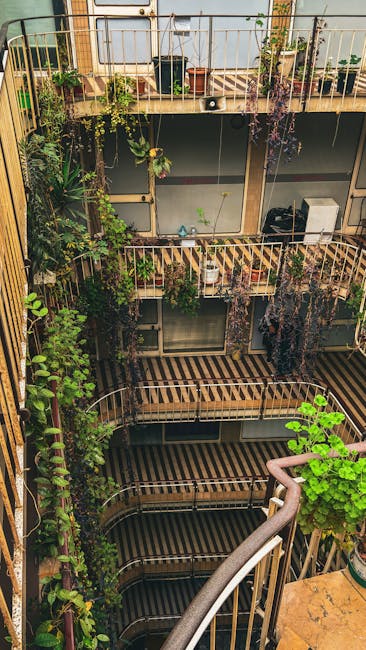
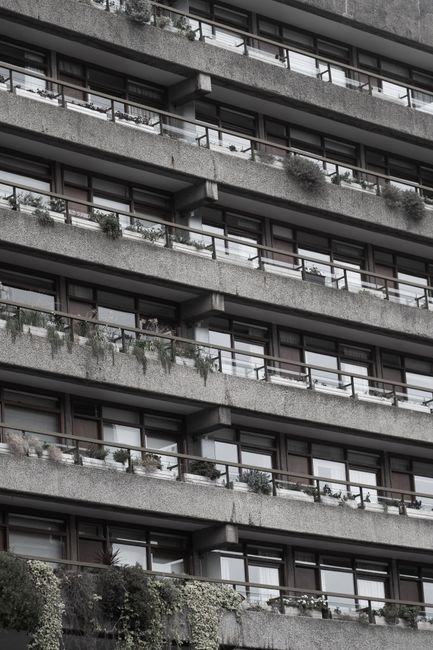
Balconies in flats are not little gardens in the usual sense. They are more exposed, more limited, and often governed by building rules, neighbour concerns, and weight restrictions. That is exactly why experienced balcony gardeners matter. They do more than pot up a few flowers and hope for the best. They look at drainage, wind, shade, access, container stability, and how often you will realistically water.
In the Osterley Tube area, many flats sit in spots where conditions can change quite a bit from one balcony to the next. One may face bright afternoon sun; another may sit in shade for much of the day. Some are sheltered, others funnel wind straight through like a tunnel. A local gardener understands these differences and can recommend plants that actually survive, not just look lovely for a week in spring.
There is also the practical side. In a flat, gardening has to be neat. Soil spills, standing water, heavy compost bags, and oversized planters can quickly become a nuisance. A professional who works with balcony spaces knows how to keep things tidy and safe. That means less faff for you and a better chance of consistent results.
Expert summary: Balcony gardening is less about having "more plants" and more about having the right plants, the right containers, and a maintenance routine that fits apartment living.
How Osterley Tube area gardeners for flats with balconies Works
The process is usually more structured than people expect. A good balcony gardener starts by assessing the space, then builds a plan around the actual conditions rather than a generic planting idea. That assessment may include sunlight, wind exposure, available floor area, railing type, access for watering, and how much storage you have for tools or spare compost.
From there, the gardener may recommend container planting, seasonal refreshes, lightweight compost mixes, self-watering pots, climbing supports, or a simple maintenance schedule. If you want a green screen for privacy, they may suggest tall, narrow planters with bamboo, grasses, or climbers. If you prefer a lower-maintenance setup, they may lean toward evergreens, drought-tolerant herbs, and a small number of strong focal plants.
Some balcony jobs are one-off and some are ongoing. A one-off visit might include clearing old pots, refreshing soil, repotting plants, and rebalancing the layout. Ongoing care usually includes watering checks, deadheading, pruning, feeding, pest spotting, and replacing tired plants with something more suitable. If the balcony needs more general work as part of a wider home refresh, it may make sense to review garden maintenance support or even broader services overview options to see what fits.
Truth be told, balcony work is partly gardening and partly problem-solving. That is what makes it worthwhile. It is not just decoration. It is a small living system that needs the right setup.
Key Benefits and Practical Advantages
Good balcony gardening can change how a flat feels day to day. You notice it in the morning when the first thing you see is green leaves rather than concrete and railings. You notice it in the evening when the space feels calmer, more private, and a bit more yours.
- Better use of limited space: Compact planting can turn a narrow balcony into a usable outdoor room.
- Privacy and screening: Tall containers and climbers can soften views from nearby flats.
- Lower maintenance with the right plan: A well-chosen setup cuts down on constant replacements and guesswork.
- Improved curb appeal: Even from the ground, a cared-for balcony looks smart and lived-in.
- Seasonal flexibility: Planting can be adjusted across the year instead of looking tired all winter.
- Safer, tidier space: Less overstuffing, fewer unstable pots, and better drainage mean fewer headaches.
There is also a mental benefit that people often mention without sounding too dramatic about it: a neat, green balcony feels like a breather. On a grey London afternoon, that matters more than you might think. A bit of rosemary, a trailing ivy, a flowering pot by the door - small things, but they soften the edges of flat living.
If you are balancing balcony planting with other exterior features like decking or paved areas, it can help to look at decking services and landscaping where relevant, especially if the balcony is part of a larger residential outdoor scheme.
Who This Is For and When It Makes Sense
This service makes sense for a few very different kinds of residents. Some people want a lush balcony but have no time to keep it alive. Others enjoy gardening and just need expert guidance for tricky conditions. And some have inherited a balcony full of tired pots and brittle compost and simply need a proper reset.
It is especially useful if you:
- live in a flat near Osterley Tube with a balcony that gets awkward light or wind
- want planters, herbs, flowers, or small shrubs but do not know what will work
- have limited storage and need a low-clutter setup
- struggle with watering consistency during holidays or busy weeks
- need help keeping the space compliant with building rules and safe for everyday use
- want a better-looking balcony without taking on another weekend project
It also makes sense if you are preparing a property for sale or rental. A tidy balcony can help a flat feel more complete, and in a competitive market, presentation counts. No magic there, just common sense.
For landlords, managing agents, or homeowners with shared access areas, it can also be sensible to combine balcony plant care with broader tidy-up work such as garden clearance or select items from garden maintenance where the outdoor space is part of a wider property.
Step-by-Step Guidance
If you are planning a balcony garden for the first time, a calm step-by-step approach usually works best. Rushing the layout often leads to overcrowding, poor drainage, and plants that look great for about ten minutes. Then, well, they sulk.
- Assess the balcony conditions. Note sun, shade, wind, and rain exposure. Watch the space at different times of day if you can.
- Check the building rules. Some flats have limits on what can be attached to railings, how much weight is allowed, or whether water can drain freely.
- Choose the right containers. Lightweight but stable pots are often better than heavy ornamental ones, especially on upper floors.
- Pick plants for the actual conditions. Do not buy first and think later. The plant shop is a dangerous place for impulse decisions, to be fair.
- Plan the layout before planting. Leave enough walking space and do not block doors, vents, or access routes.
- Use quality compost and drainage material. Container plants need a different setup from ground-level beds.
- Set a watering routine. Most balcony failures start here. A simple schedule beats guesswork every time.
- Review after two to four weeks. See what is thriving, what is drooping, and what needs replacing or repositioning.
If you want the balcony to feel cohesive rather than pieced together, a gardener may also suggest repeating shapes, a limited colour palette, and one or two standout features. That might be one tall planter, one trailing plant, and a herb box rather than six random pots fighting for attention.
Expert Tips for Better Results
Small spaces reward restraint. That is the main thing. A balcony garden often looks better with fewer, better-chosen plants than with a crowd of mixed pots. Here are the practical moves that make a real difference.
- Use lighter materials where possible: This helps reduce load and makes rearranging easier.
- Group plants by water needs: Dry-loving herbs should not be mixed randomly with thirsty bedding plants.
- Choose scent wisely: Rosemary, lavender, and mint can work well, but mint needs control or it will take over like a tiny green rebel.
- Think vertical: Slim trellises, wall-mounted planters, and tiered stands can create depth without clutter.
- Plan for winter: Evergreens, structure, and hardy pots keep the space from looking bare for months.
- Allow for wind movement: Plants that whip around too much on exposed balconies often fail, so choose sturdier varieties or better shelter.
- Keep a watering can sized for the job: Too small and you will be up and down constantly; too large and you will spill water everywhere. Easy to say, slightly less easy at 7 a.m.
One useful habit is to treat the balcony like a room, not a dumping ground. The more intentional the layout, the more the space will feel restful. A decent gardener will always think about sightlines from inside the flat too, because that is where you see it most.
Common Mistakes to Avoid
Most balcony problems are not caused by bad luck. They are usually caused by a few avoidable errors repeated in different ways.
- Buying plants before checking conditions: Sun lovers in shade, shade lovers in full midday glare - it rarely ends well.
- Using pots without proper drainage: Standing water can damage roots and make balconies messy.
- Overcrowding the space: Too many pots make the balcony harder to clean, water, and enjoy.
- Ignoring wind exposure: Tall, top-heavy plants can topple or dry out fast.
- Forgetting weight limits: Heavy ceramic planters and saturated compost add up quickly.
- Leaving dead plants in place too long: One tired pot can drag down the whole look.
- Not planning for holidays: A balcony can decline fast if there is no watering plan while you are away.
A smaller mistake that gets missed a lot is mixing too many styles. A sleek modern balcony, for example, can look messy if the planters are all different shapes and colours. If the visual language is consistent, the whole place feels more expensive. Funny how that works.
Tools, Resources and Recommendations
You do not need a shed full of gear to maintain a balcony garden. In many cases, a modest set of tools and a sensible routine are enough. The useful stuff is usually the boring stuff, which is probably why it gets ignored.
- Lightweight planters: Easier to move, safer on upper floors, and often better for compact layouts.
- Good-quality compost: Container plants rely heavily on the mix they are planted in.
- Watering can or hose alternative: Something manageable for regular watering without splashing.
- Hand trowel and secateurs: Enough for most trimming, deadheading, and repotting jobs.
- Plant supports: Useful for climbers, taller herbs, and anything that leans in the wind.
- Moisture-retentive mulches or top dressings: Helpful in hot spells and dry conditions.
For residents who want a more complete outdoor refresh, it can also help to think about the wider picture. If a balcony is part of a larger home improvement plan, pages like landscape gardening and lawn mowing can be useful reference points for how the company handles broader outdoor upkeep, even if your own project is smaller in scale.
For more practical details around working standards, you may also want to review recycling and sustainability if you are disposing of old pots, soil, or plant waste, and pricing and quotes if you are comparing the shape of a job before you begin.
Law, Compliance, Standards, or Best Practice
Balcony gardening in flats is not usually a heavily regulated activity, but it does sit within a few common-sense and building-management boundaries. The exact rules can vary depending on the lease, the managing agent, and the property itself, so it is worth checking what applies before making major changes.
Best practice usually includes the following:
- Respect weight limits: Balconies are not the place for guesswork with heavy stone planters.
- Keep water contained: Excess runoff can create nuisance for neighbours below.
- Avoid unsafe rail attachments: Anything fixed to a railing should be secure and appropriate for the building.
- Keep access routes clear: Doors, vents, and escape paths should remain unobstructed.
- Use safe working methods: If work involves leaning out, lifting heavy containers, or reaching awkwardly, it should be handled carefully.
For service providers, trust also comes from how they operate. Pages like insurance and safety and health and safety policy are useful because they show a cautious, professional approach rather than a casual one. That matters when someone is working on a balcony above ground level. Small space, bigger consequences.
It is also sensible to understand how disputes or service concerns are handled, which is why clear information such as the complaints procedure and terms and conditions can be reassuring. Not glamorous, but important.
Options, Methods, or Comparison Table
There are a few different ways to approach balcony gardening. The right choice depends on how much maintenance you want, how much privacy you need, and whether the balcony is mainly for looks, herbs, or a proper outdoor sitting area.
| Approach | Best for | Pros | Trade-offs |
|---|---|---|---|
| Seasonal container planting | Colour, variety, quick visual impact | Flexible and easy to refresh | Needs more frequent replacement and care |
| Evergreen structure planting | Privacy and year-round shape | More stable, less seasonal bare patches | Can feel less colourful without companion planting |
| Herb-led balcony garden | Cooking, scent, compact spaces | Useful and attractive | Some herbs need regular cutting back |
| Low-maintenance mixed containers | Busy households and rental flats | Balanced, manageable, good-looking | Requires careful initial planning |
For many flats, the mixed container approach gives the best balance. It is practical, not fussy, and it does not demand constant attention. If you are rarely home in daylight, that matters a lot.
Case Study or Real-World Example
Picture a typical Osterley flat balcony: about the width of a small seating area, facing one side that gets morning light and another that feels a bit windier than expected. The resident wants privacy, some greenery, and maybe a herb pot or two, but does not want a jungle.
A sensible setup might start with two tall, lightweight planters at the back for structure, one narrower trough for herbs near the door, and a trailing plant at railing height to soften the edge. The gardener might remove dead summer bedding, refresh the compost, and group plants so the watering routine stays straightforward. Nothing dramatic. Just calm, tidy, thoughtful changes.
After a few weeks, the balcony feels more settled. The view from inside the living room is greener, the space is easier to use, and the plants are not constantly collapsing in the wind. That is usually the sign the setup is working: you stop thinking about the balcony as a chore and start noticing it as part of the home.
If the job is part of a wider exterior refresh, the same client might later review about us to understand the team behind the work and contact us when ready to discuss a follow-up visit. Simple enough. No drama.
Practical Checklist
Use this checklist before and during the project. It keeps decisions grounded, which is handy when you are tempted by another attractive pot you absolutely do not need.
- Check balcony light, wind, and exposure across the day
- Confirm building rules, lease points, and any balcony restrictions
- Decide whether the aim is privacy, colour, herbs, or low maintenance
- Measure the usable floor space before buying containers
- Choose lightweight, stable pots with proper drainage
- Match plant selection to sun, shade, and wind conditions
- Keep access to doors and vents clear
- Plan a watering routine for weekdays, weekends, and holidays
- Keep a small kit of secateurs, trowel, and gloves nearby
- Review the layout after a few weeks and adjust what is not working
If you are starting from scratch, a first tidy-up visit often gives the biggest visual change for the least effort. That first reset can be surprisingly satisfying. A bit like finally clearing the kitchen table after it has somehow become a second storage shelf.
Get a free quote today and see how much you can save.
Conclusion
Osterley Tube area gardeners for flats with balconies are about more than making a small space pretty. They help you turn a cramped, exposed, or awkward balcony into something that feels genuinely usable. The best results come from simple planning, realistic plant choices, and maintenance that fits flat life rather than fighting against it.
If you keep the layout tidy, choose the right containers, and focus on conditions instead of wishful thinking, the balcony can become one of the nicest parts of the flat. Not flashy. Just calm, green, and easy to enjoy. And honestly, that is often the whole point.
A good balcony does not shout. It welcomes you in.
Frequently Asked Questions
What do Osterley Tube area gardeners for flats with balconies usually do?
They assess the balcony conditions, recommend suitable plants and containers, set up the space neatly, and provide ongoing care where needed. That can include planting, pruning, watering, feeding, deadheading, and seasonal refreshes.
Can a balcony garden work if the space gets a lot of wind?
Yes, but plant choice and container stability matter more. Wind-tolerant plants, heavier or better-weighted planters, and lower, more compact arrangements usually perform better than tall, top-heavy displays.
Do I need permission from my building or landlord?
Often, yes, or at least it is wise to check. Rules can vary, especially for rail attachments, weight loading, water runoff, and any changes that affect the outside of the property.
What plants are best for a flat balcony near Osterley?
That depends on sun, shade, and exposure, but useful choices often include herbs, evergreen structure plants, compact flowering plants, and some hardy trailing varieties. A local gardener will usually pick plants based on the exact balcony conditions rather than a generic list.
How often does a balcony garden need maintenance?
It varies, but many balcony gardens need at least regular watering checks and occasional pruning or deadheading. During hot spells, watering can become daily. In cooler months, the routine is usually lighter.
Are lightweight planters really important?
Yes, especially on upper floors. They are easier to move, less likely to overload the balcony, and often simpler to reposition if the layout needs changing. They also reduce the risk of one corner becoming far too heavy.
What if I only want a few herbs and not a full garden?
That is completely fine. A small herb setup can be one of the most practical balcony gardens. It just needs enough light, sensible drainage, and a watering routine that matches how often you cook and use the space.
Can a balcony be made more private with plants?
Yes. Tall narrow planters, climbers, grasses, and layered container arrangements can soften views and create a more enclosed feel. The key is to keep it stable and not block light unnecessarily.
Is balcony gardening high maintenance?
It can be if the wrong plants are chosen, but it does not have to be. A well-designed balcony garden can be surprisingly manageable, especially when plants are grouped by needs and the setup is kept simple.
How do I stop water from making a mess on the balcony?
Use containers with drainage, avoid overwatering, and place saucers or trays where suitable. Some gardeners also help with soil choice and layout so runoff is easier to control. A tidy watering habit makes a bigger difference than people expect.
What should I ask before hiring a balcony gardener?
Ask how they assess light and wind, what kind of plants they recommend, how they handle maintenance, and whether they are used to working in flat settings. It is also sensible to ask about safety, insurance, and how quotes are put together.
Can a balcony garden be changed seasonally?
Absolutely. Many people refresh planting through the year so the balcony always feels alive and relevant to the season. Spring and summer can be more colourful, while autumn and winter can lean on structure, evergreens, and texture.